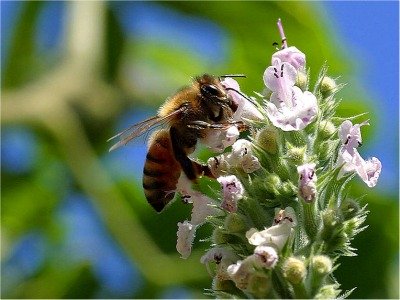
You hear the horror stories about treatment free beekeeping, but here is my personal, real-world experience year after year. Not too shabby.
Tag: honeybees
South Africa and Varroa Mites
I finally got a chance to do something I’ve wanted to do for a long time. I got to sit down and talk with a real South African beekeeper about the impact of varroa mites, and their current indifference to them. Enjoy!
Skip down to the part about mites: https://www.arc.agric.za/arc-ppri/Pages/Insect%20Ecology/Honeybee-Pests-and-Diseases.aspx
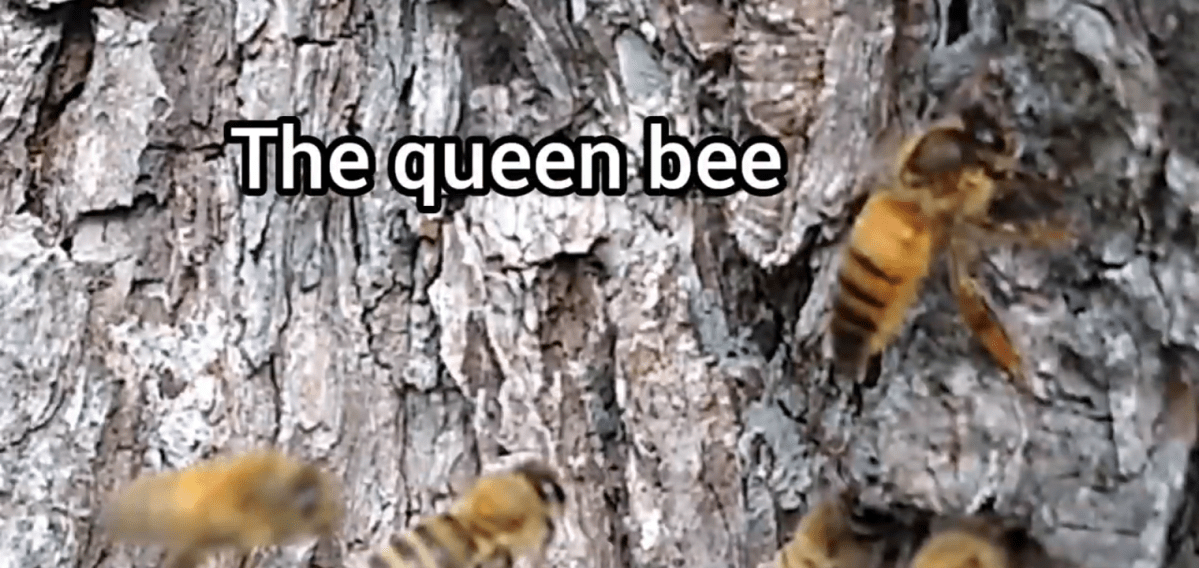
Log Colony Queen mating flight
Eating Honeybee Drone Brood.
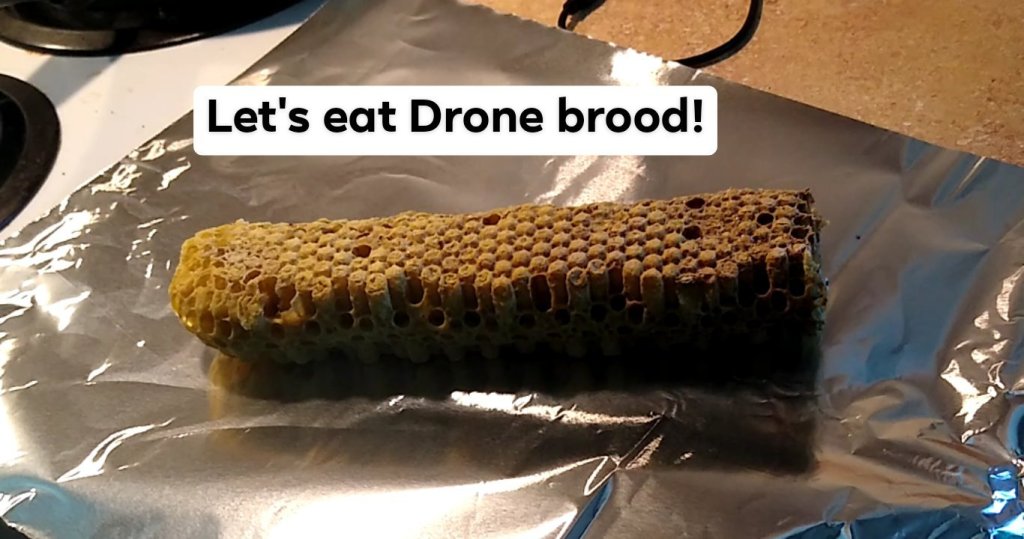
I recently learned that in many countries, eating honeybee and wasp brood is common. I found a beautiful section of newly drawn and capped drone brood in a spacer on a hive I was working, so I decided today was the day to try it. My American friends think I’m crazy for doing this. They may be right, but you only live once. Wasp brood is next.
Bee Talk with Biology Instructor Casie Berkhouse
In this episode, I speak with Casie Berkhouse, a biology instructor and beekeeper from Northern Pennsylvania. This episode, like most others, is unedited and completely unscripted. As always, I’d love to hear your feedback! Leave me a message. I will definitely get back to you.
Overwinter setup for honeybees in Pennsylvania.
What I’m sharing here is not what I’ve heard or something I’ve read somewhere. This is what I actually do, and have done for years. I’ve done all the silly, tedious stuff. Don’t waste your time.
What are the white markings on my bees?
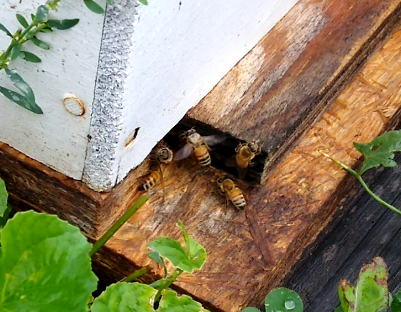
This time of year, this question always comes up in every beekeeping forum. The video below shows what honeybees look like when returning from Spotted Jewelweed. No, there isn’t someone out there marking billions of bees.
The Spotted Lanternfly flow 2020
The invasive Spotted Lanternfly is at it again. Feeding the bees during what would normally be a dearth period.
Matt Feldhues, aspiring mite-bomber?
This is similar to the conversation I’ve had many times with people wanting to get into bees. To see where I’ve been the past 3 months, visit me (PA Swarm King) on YouTube: www.youtube.com/user/rodriguezbruce
If you want to be sexy af (and fabulous), grab an Official MBBP t-shirt: teespring.com/shop/mite-bomb-beekeeping-podcast-t
Spotted lanternfly “flow”
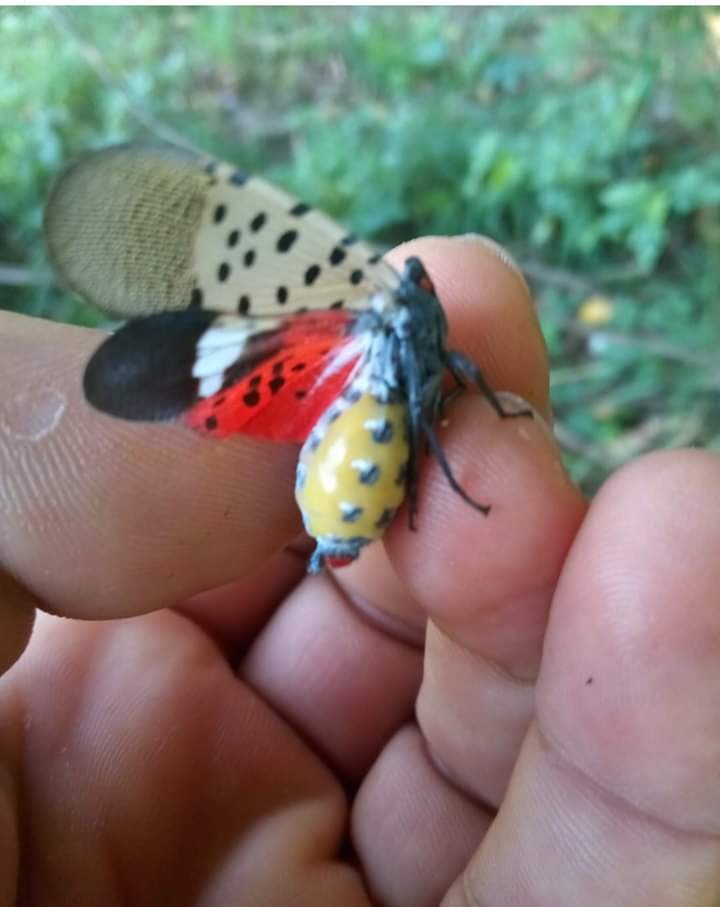
If you’re from the East coast of the United States, you know about the recent invasion of the spotted lanternfly from China. It is causing all kinds of problems here. I live at ground zero for the pest, as it was first discovered just a few miles from here. Some places, they fly across the road while you’re driving like an Alfred Hitchcock movie. I recently noticed my bees lapping up their sugary waste products, which rain down from the trees and collect on leaves below. Spotted lanternflies are very similar to aphids, only much larger. The excrement of aphids is called honeydew, and bees have been known to collect it and produce a honey-like substance. It seems that lanternfly waste is similar in composition, because I discovered my bees collecting it excitedly, along with bumblebees and butterflies.
While inspecting some colonies today, I could see the uncapped “nectar” of these bugs. It was as black and shiny as motor oil, and filled every available cell. This is a brand new thing for me, so time will tell how this odd source of sugar affects the bees, and whether spotted lanternfly “honey” will be a hit.
 Berks County PA Honey Bee Removal 19601 | Swarmstead Bees